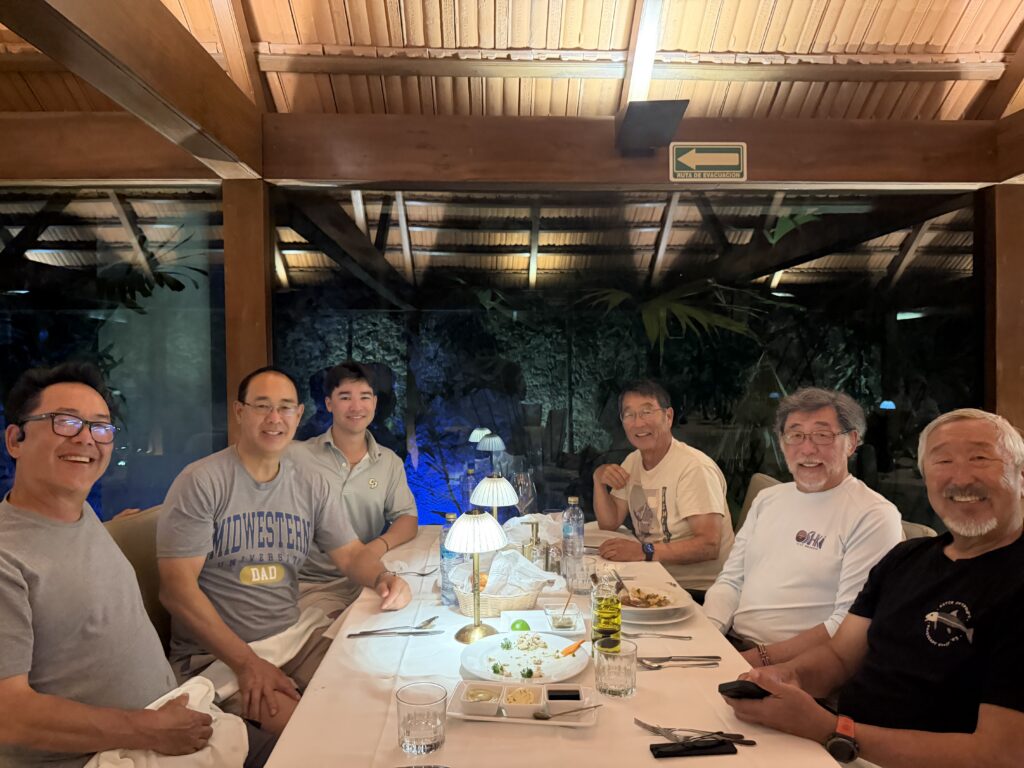
This was a trip I had heard about for more than 30 years. My mentor, Kay Mitsuyoshi, first suggested I fish Campeche many years ago. Joined by my good friends Jerry, Benson, Victor, and my cousin Meng, we finally made it happen last week. I also wanted to take Matthew on a fishing trip before he begins a grueling four-year stint in dental school, and this trip seemed like the perfect opportunity.
Unfortunately, the fishing appears to have changed over the years and ultimately fell short of our expectations. We had envisioned mangroves teeming with juvenile tarpon, but that simply wasn’t the case. While we did see some fish, hours would pass without a single sighting. For habitat that seemed perfectly suited for small tarpon, we expected much more consistent action.
We also dealt with a few mishaps along the way. Jerry and Meng’s outbound flight to Houston was canceled just hours before departure, forcing them to scramble for an alternate flight out of another airport. Matthew was also swarmed by bees and stung on the face. Thankfully, the swelling remained moderate and subsided after a few days. To make matters worse, he came down with food poisoning that cost him a day of fishing. Fortunately, the trip home was uneventful.
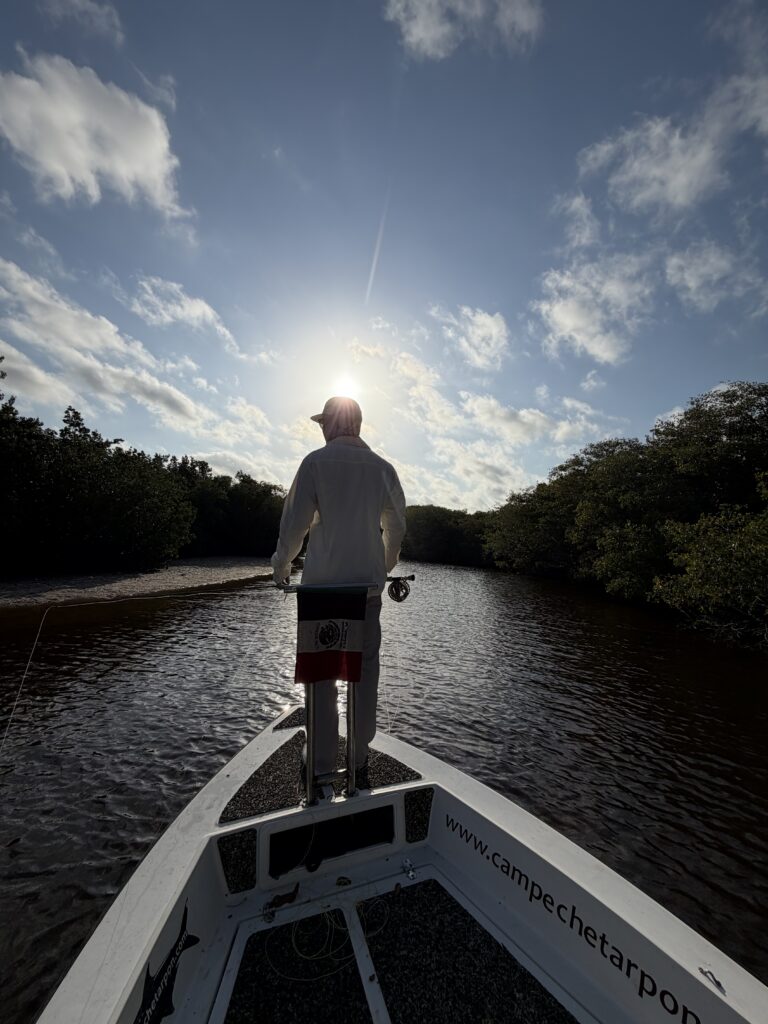
As for the fishing itself, we rotated guides every two days. All three guides were skilled at handling the boat and poling, but they spoke very little English. If you didn’t already know what you were doing, there wasn’t much instruction or feedback available. During the final few days, an early-morning low tide pushed the tarpon out of the mangroves and into open water, giving us excellent sight-casting opportunities. But once the tide rolled back in later in the morning, the fish virtually disappeared into the mangroves. That left us blind casting for hours, which wasn’t the style of fishing we had hoped for.
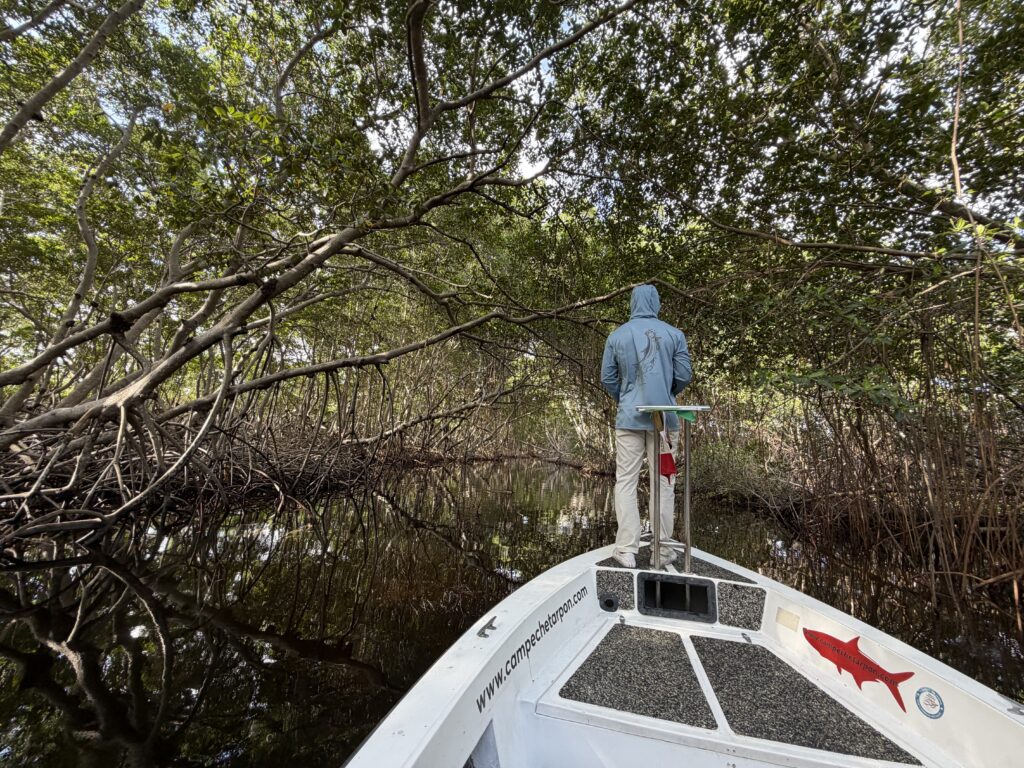
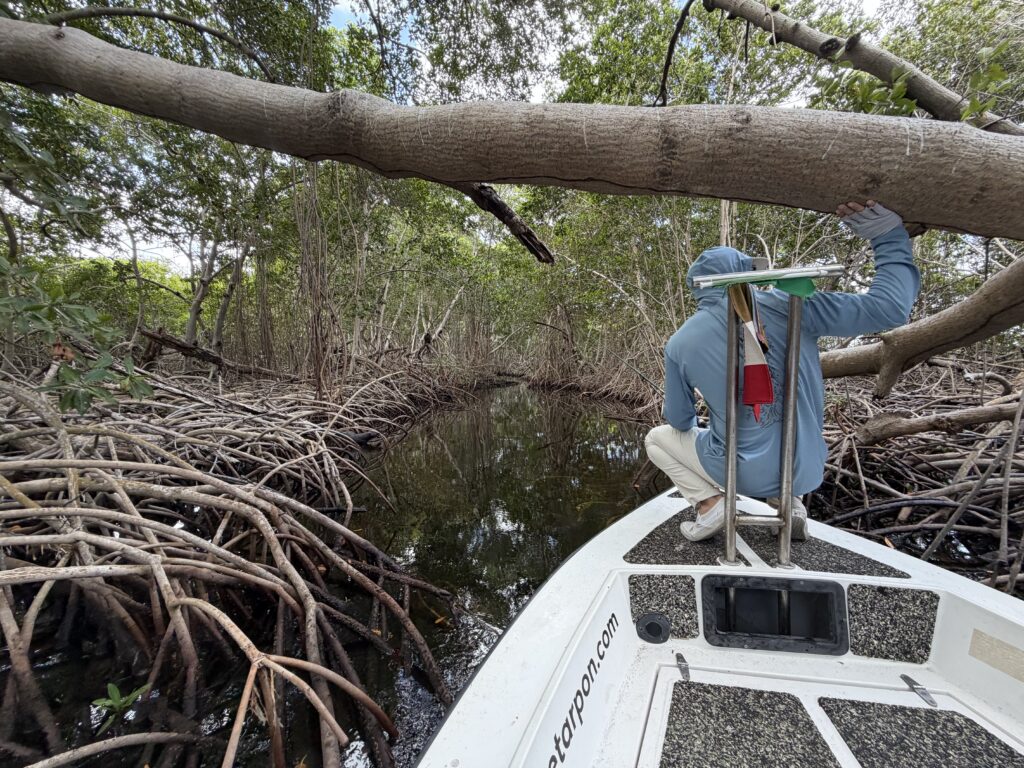
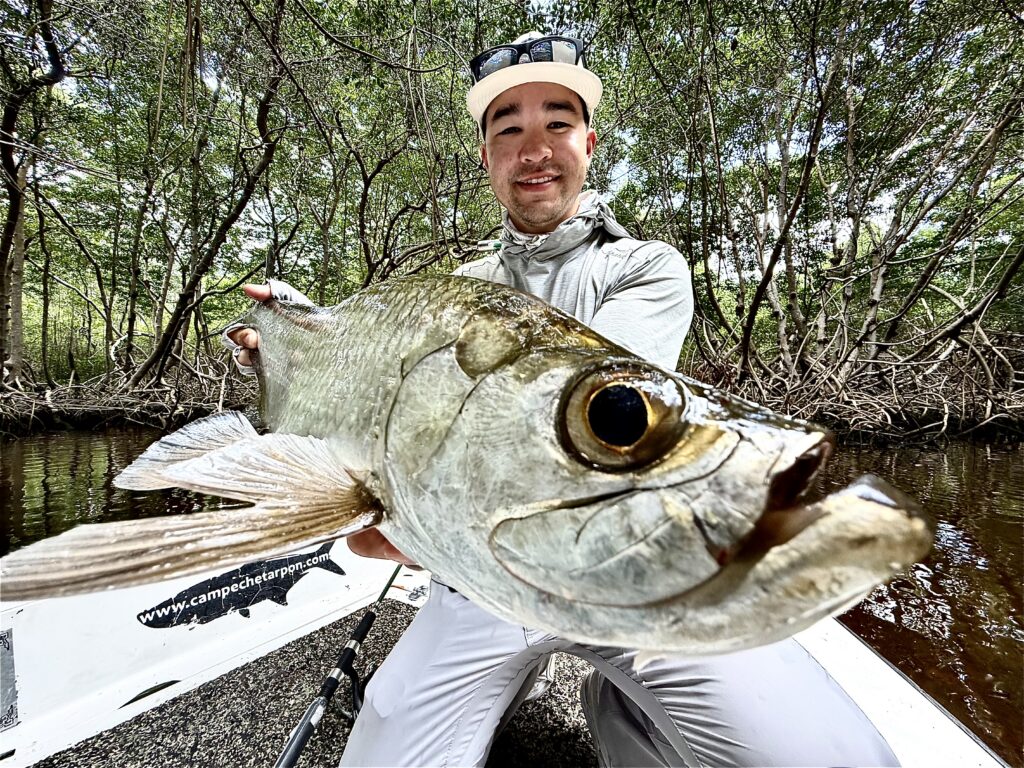
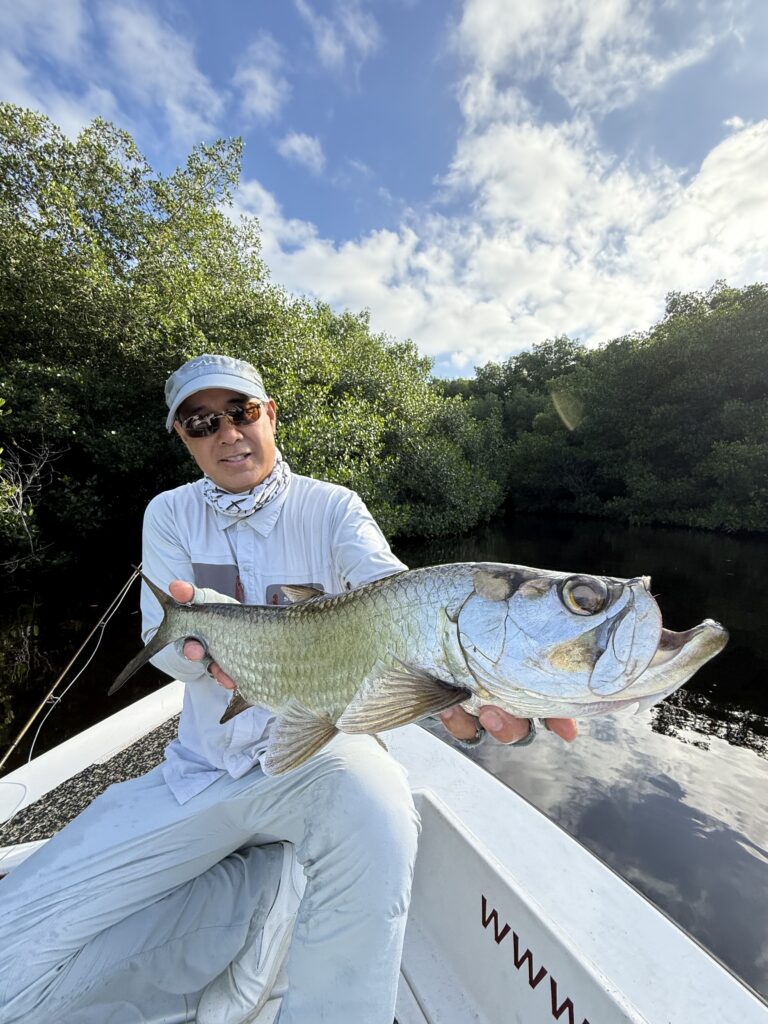
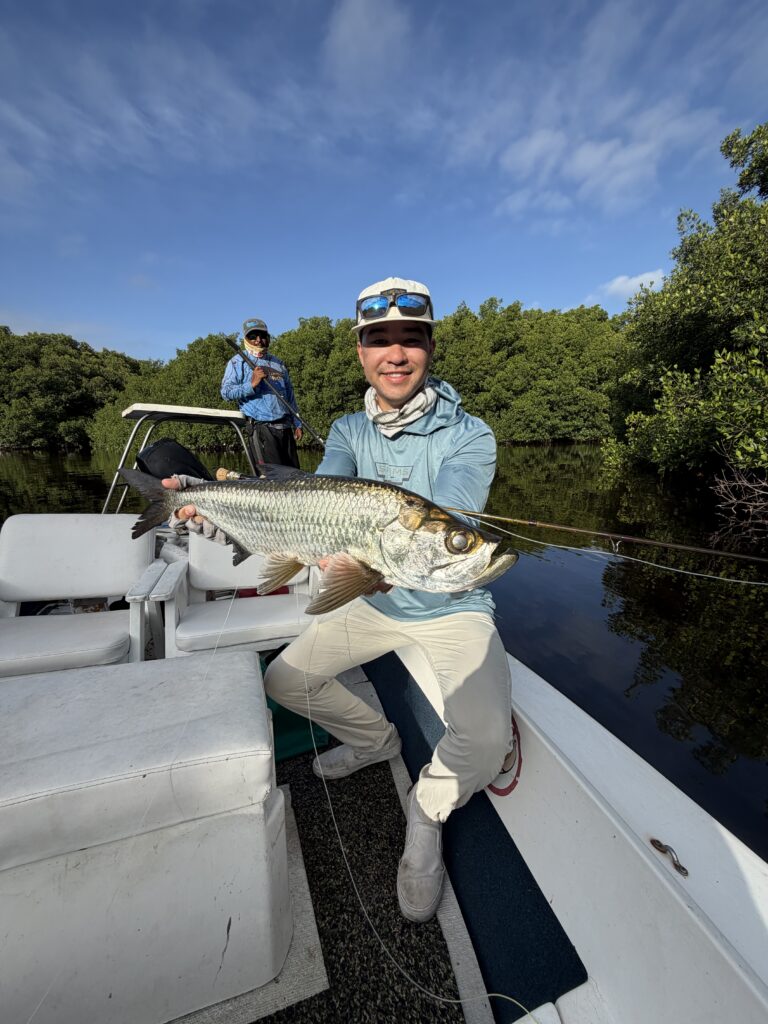
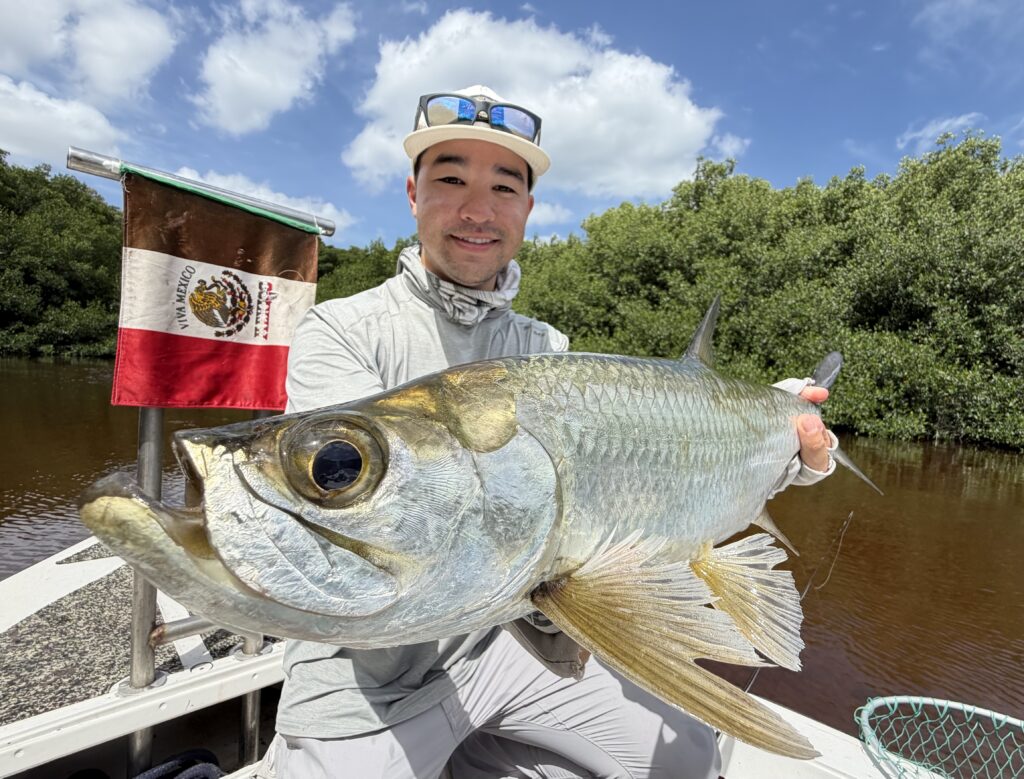
The fish ranged from 1 to 12 pounds. The larger 10- to 12-pound fish put up excellent fights, often turning into tug-of-war battles to keep them out of the mangrove roots. The smaller fish were exciting on the take but didn’t pull hard afterward. Since Victor and Benson didn’t bring spinning rods, their opportunities were largely limited to that early-morning window; once the fish disappeared into the mangroves, fly fishing became extremely difficult. Meng, who fished for juvenile tarpon at Tarpon Caye Lodge last year with Lee Haskins, said there was no comparison. Their split-fishing program offered far more consistent action with little to no blind casting.
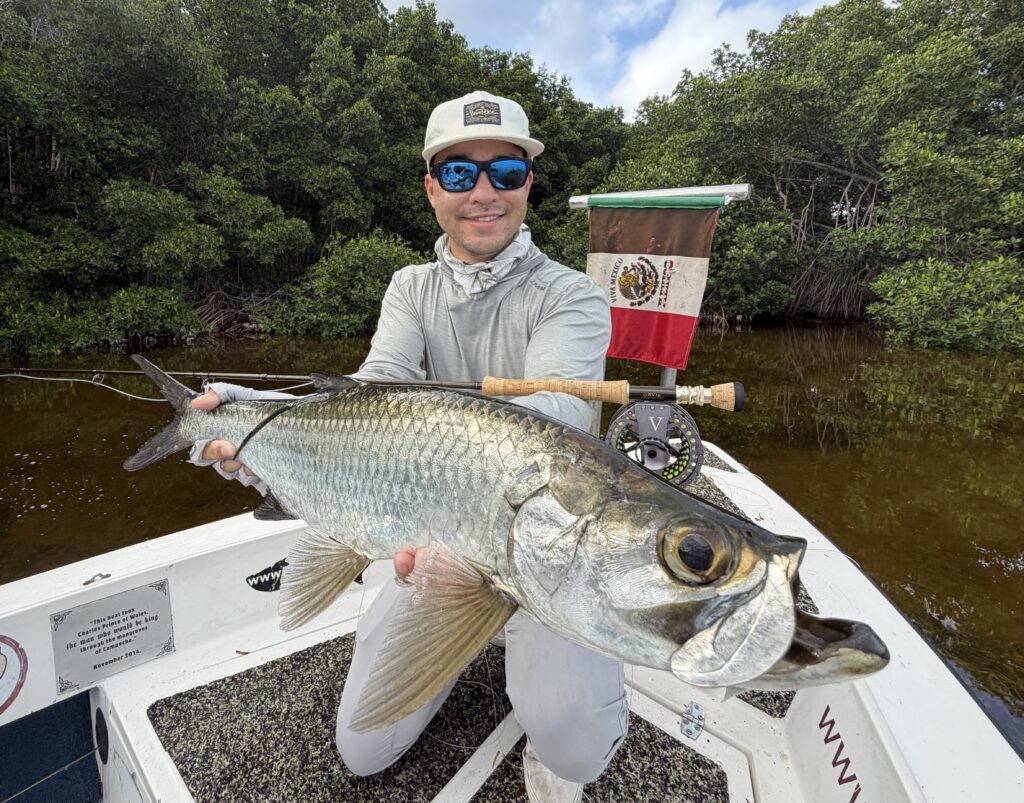
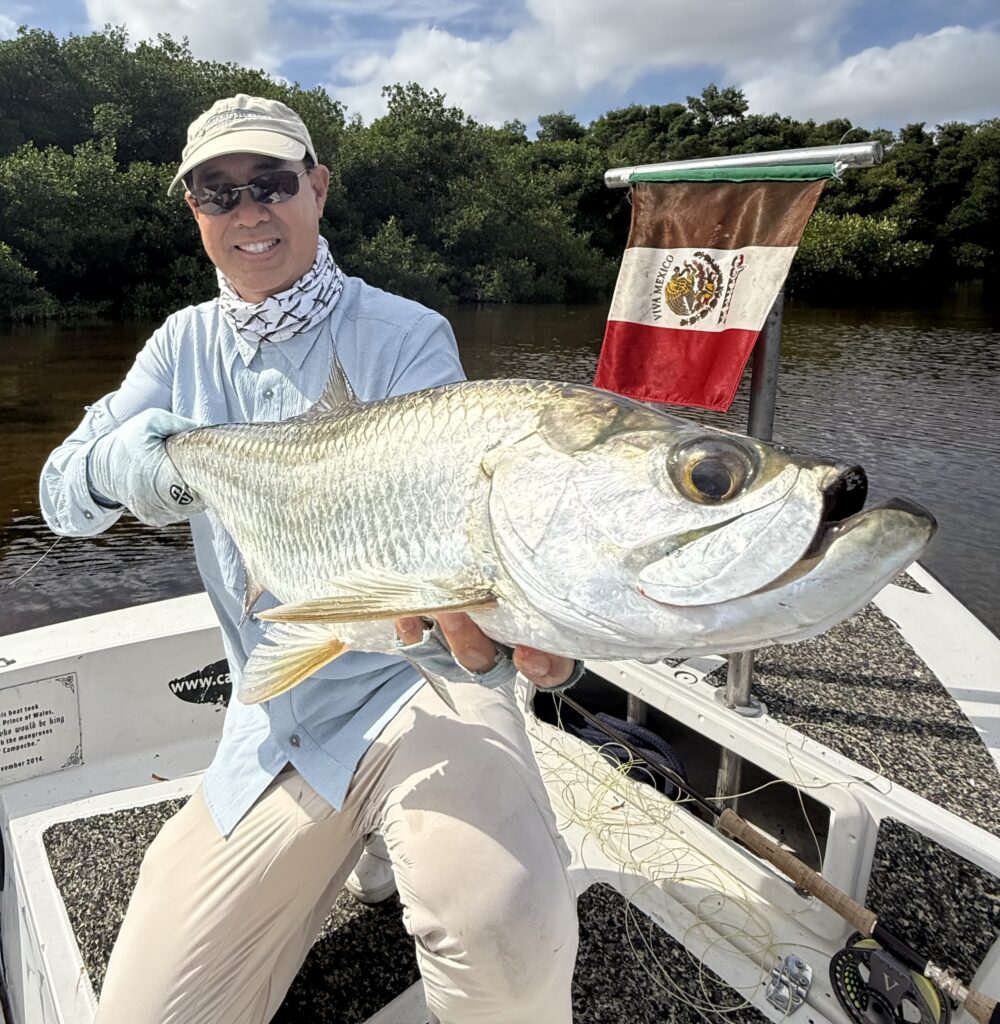
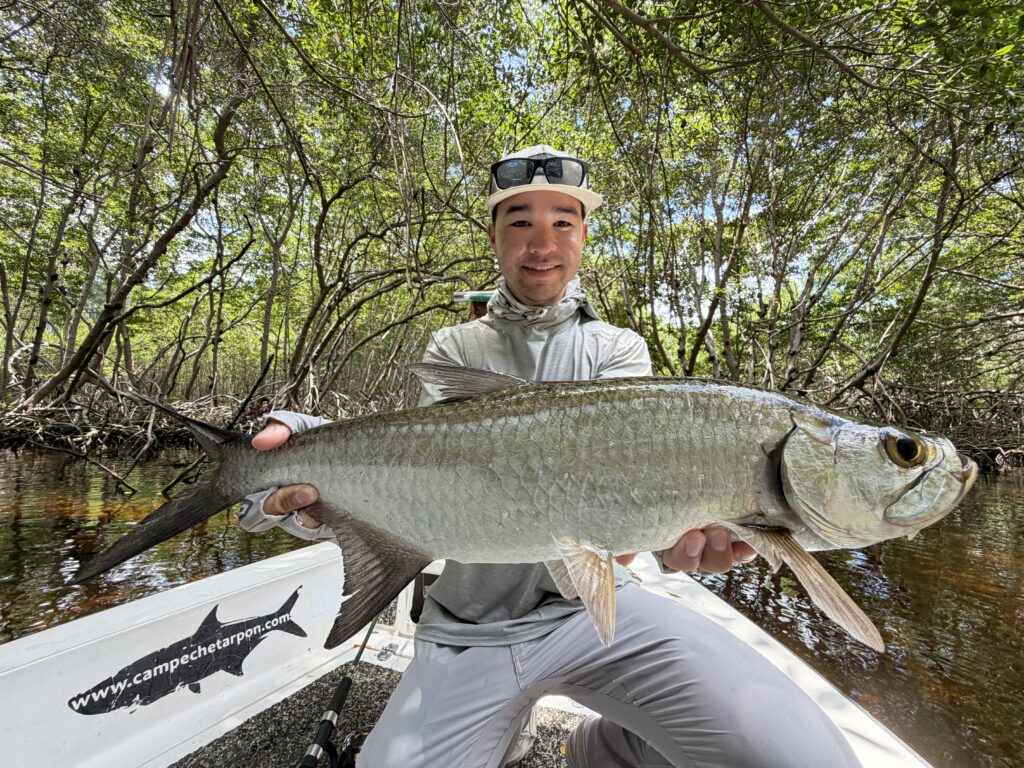
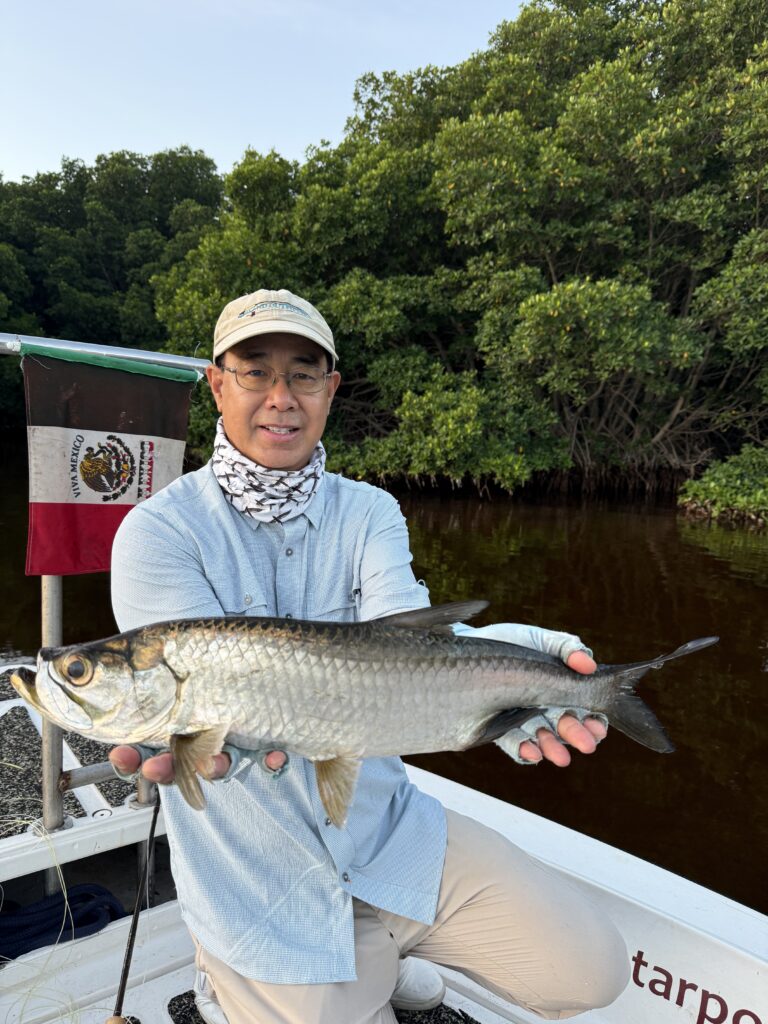
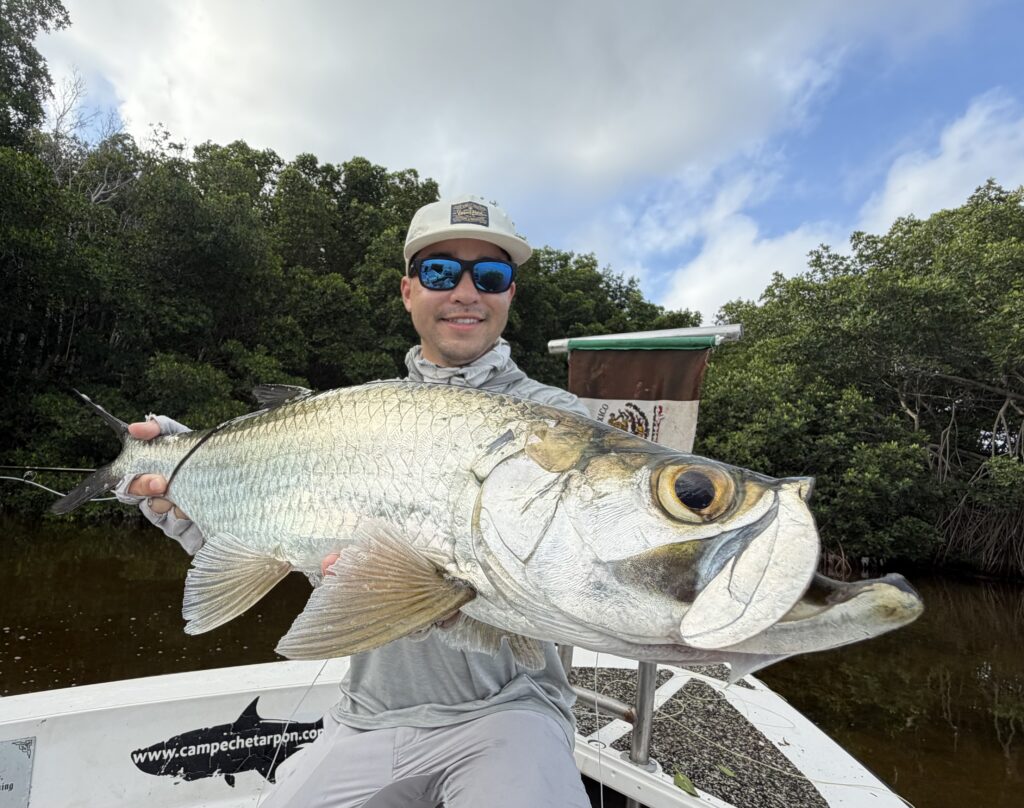
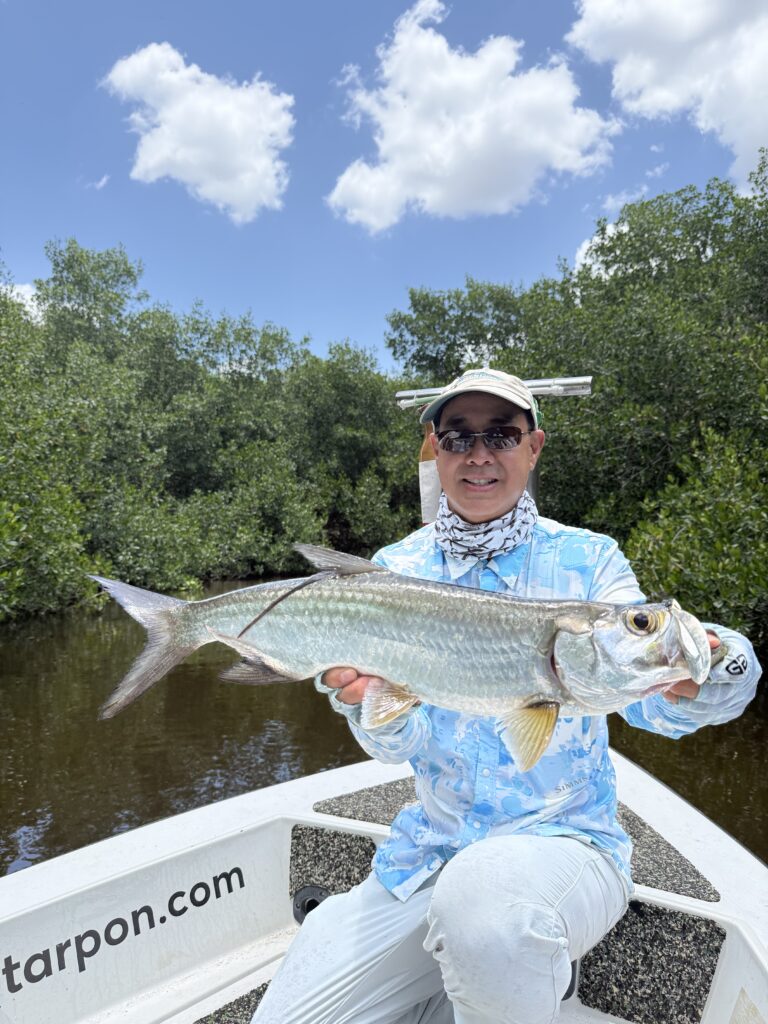
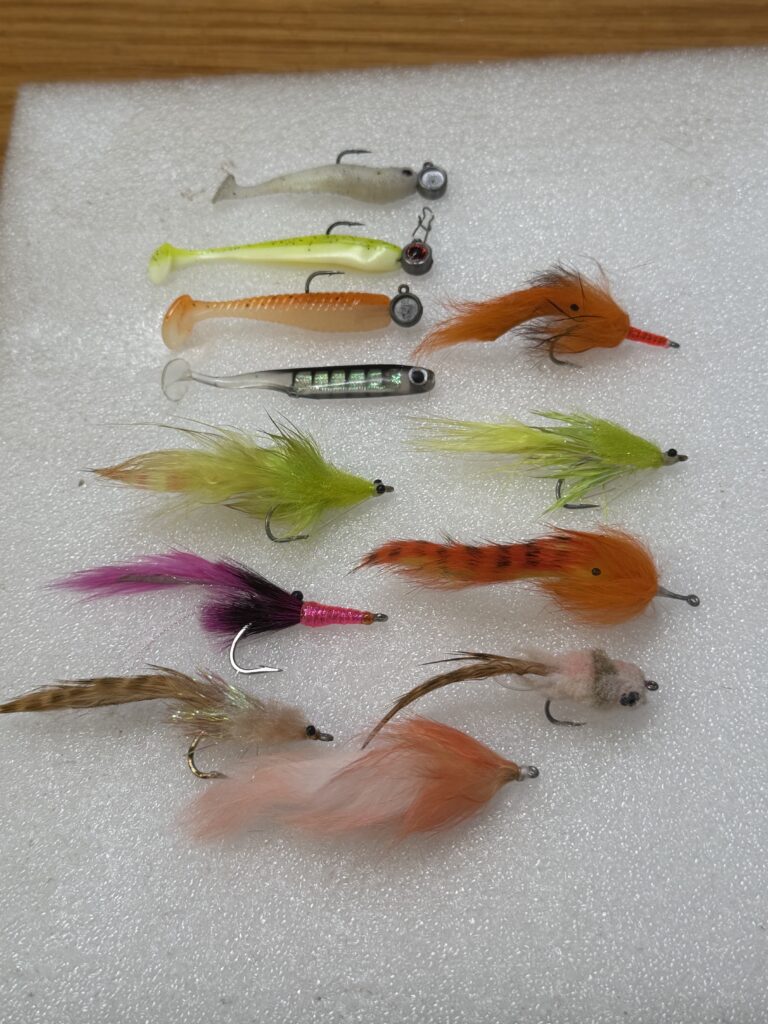
For us, once the morning sight-fishing window closed, we had to rely on spinning tackle deep in the mangroves just to stay on fish. It wasn’t ideal for fly-fishing purists, but it became necessary if we wanted to hook anything consistently. Most online recommendations suggested using 1/8- to 1/4-ounce jig heads with soft swimbaits, but those proved too heavy for the tight mangrove cover. Thankfully, I had packed some lighter 3/32-ounce jigs, which turned out to be perfect. Most of our flies produced fish, though orange and pink patterns clearly outfished the rest.
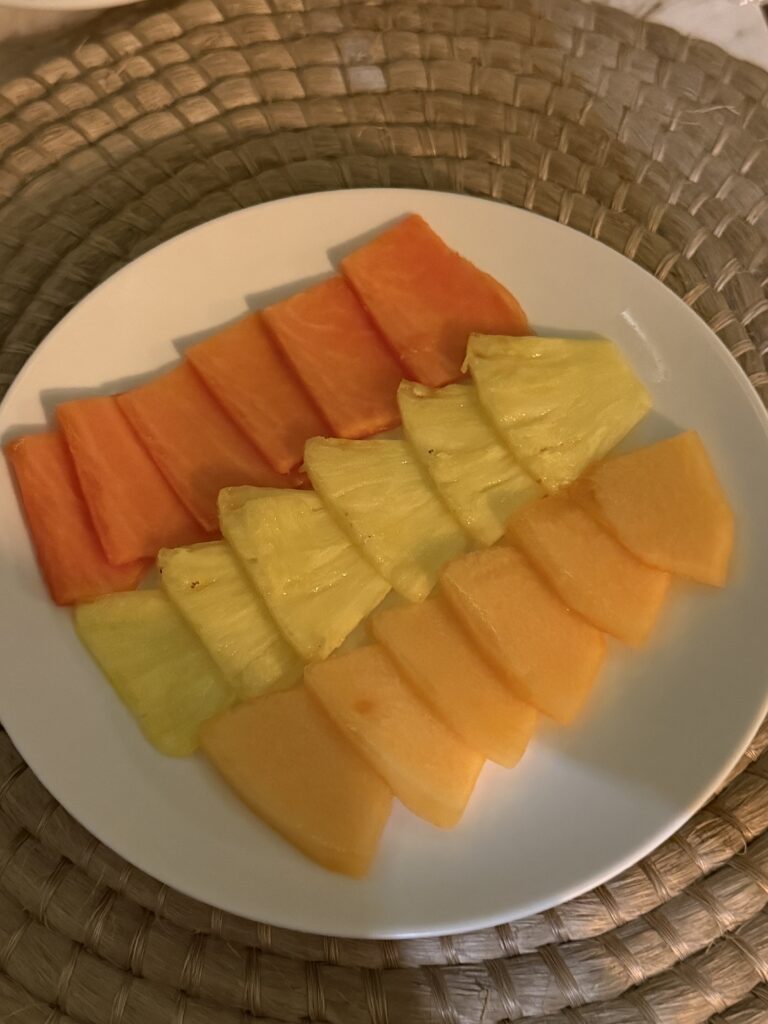
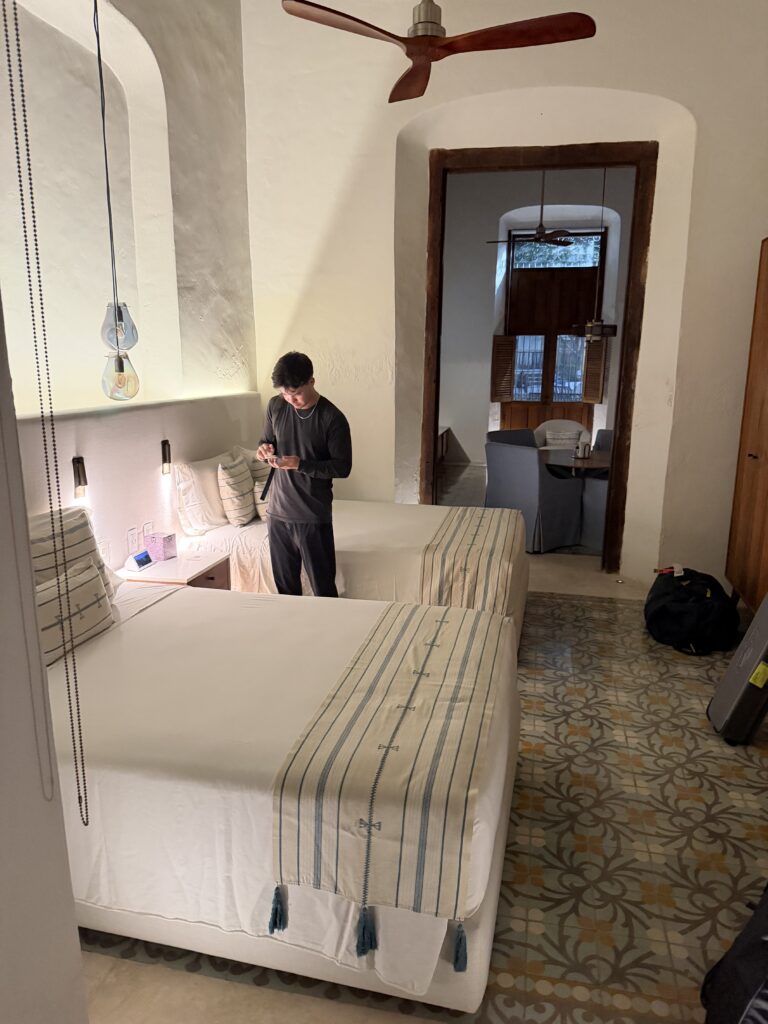
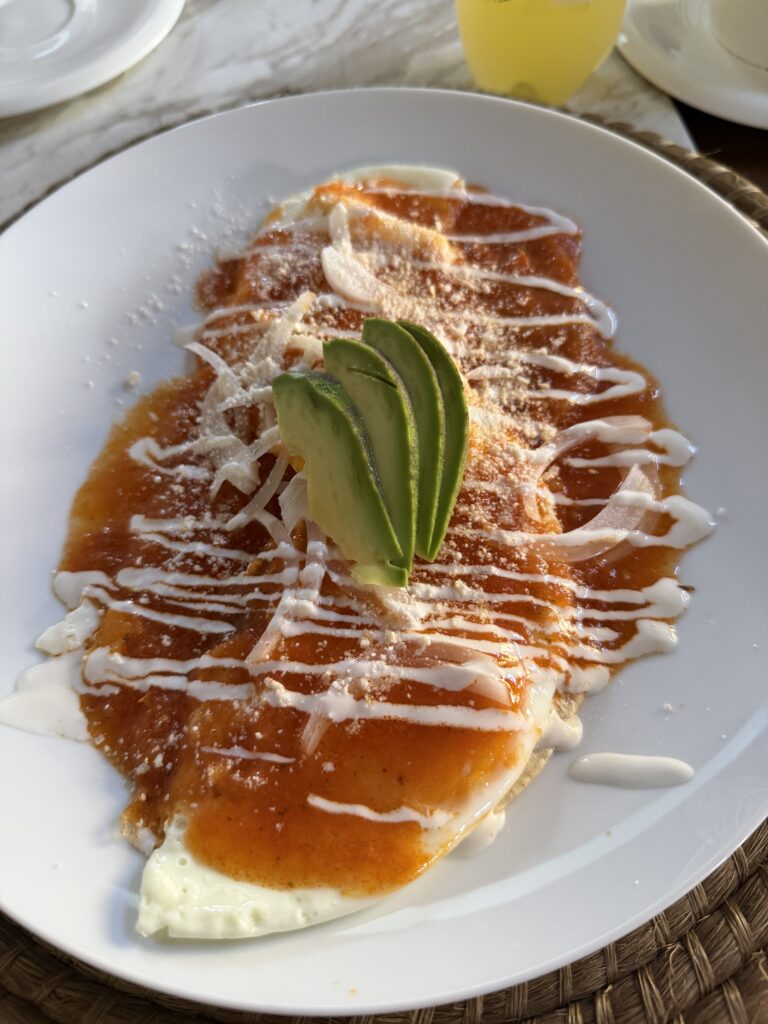
The hospitality, accommodations, and food were all excellent. Breakfast at the hotel was served at 4:00 a.m., which meant waking up around 3:15 or 3:30 every morning. Initially, the meal was very sparse—just some fruit, a few spoonfuls of granola and yogurt, a slice of pound cake, and coffee—but after we requested something more substantial, the staff gladly added bagels, hard-boiled eggs, and pastries for the following mornings. On our final day, when breakfast was served at a more reasonable hour, the hotel prepared a hot made-to-order meal for us. The rooms were among the nicest we’ve stayed in on any fishing trip.
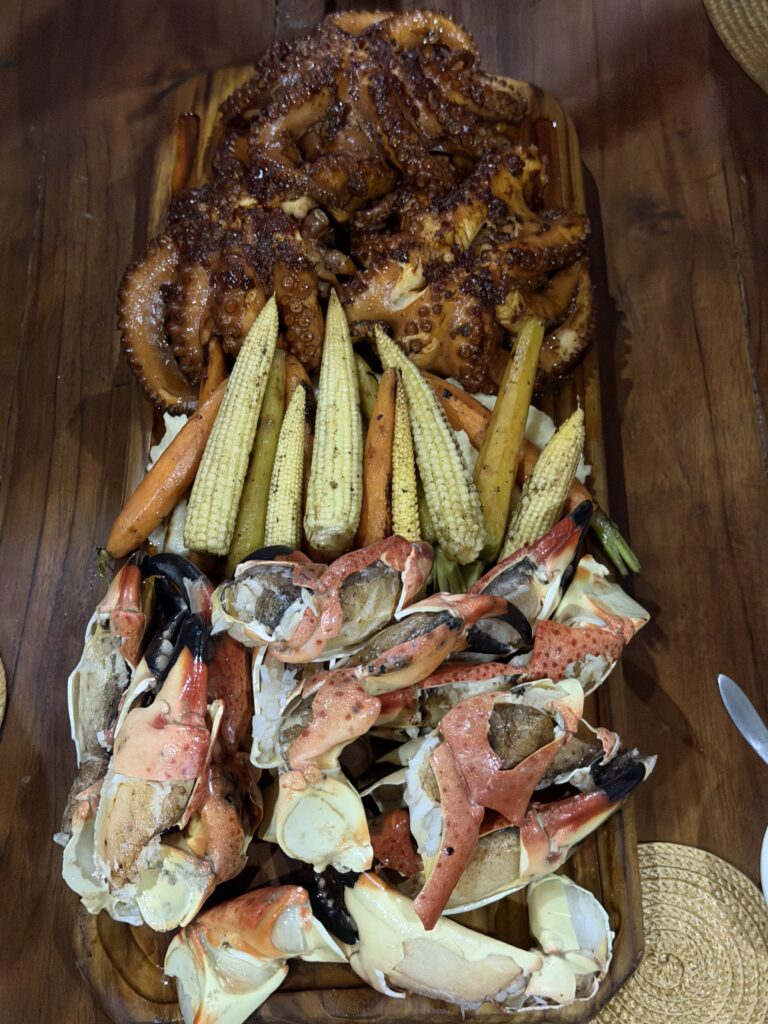
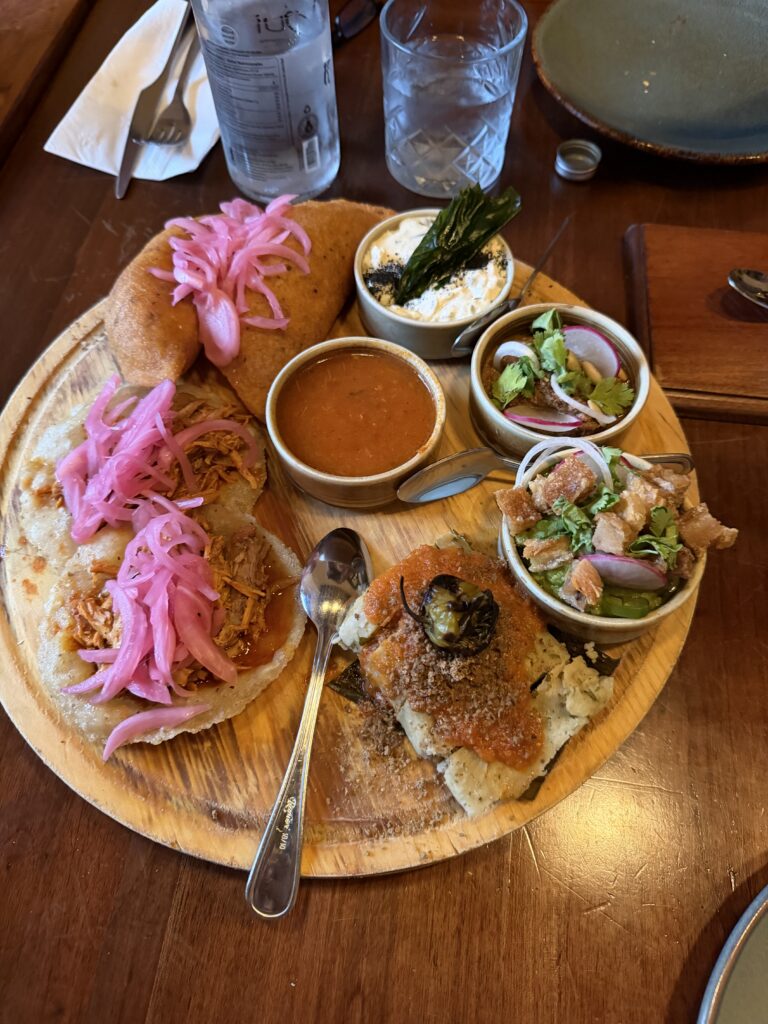
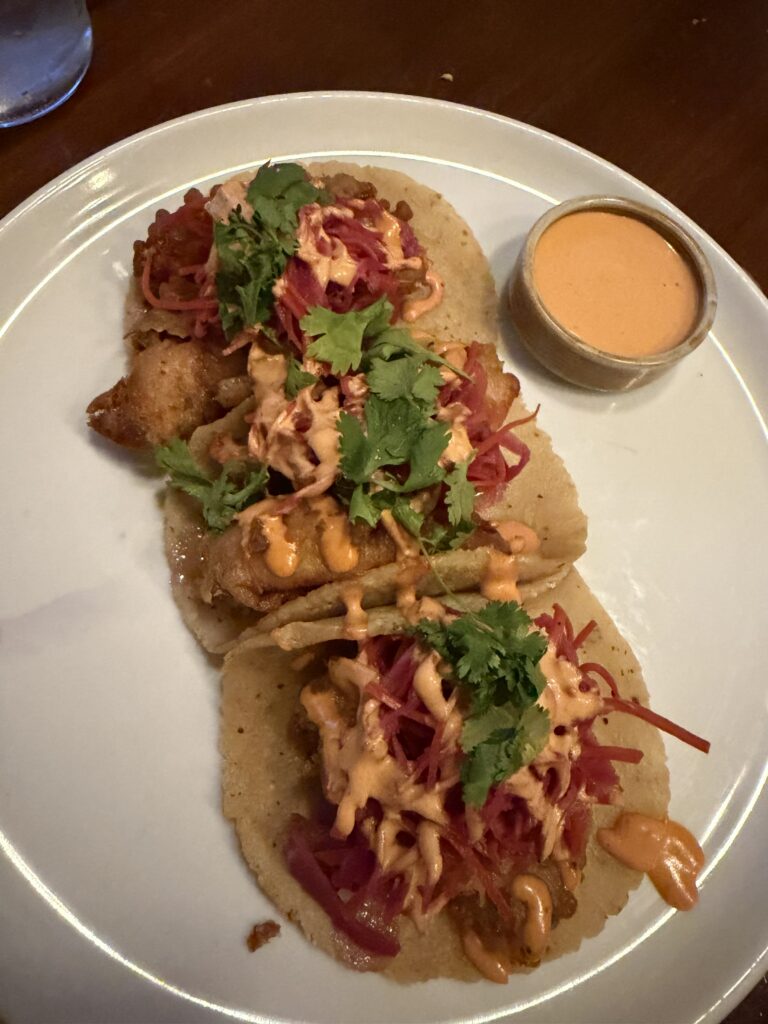
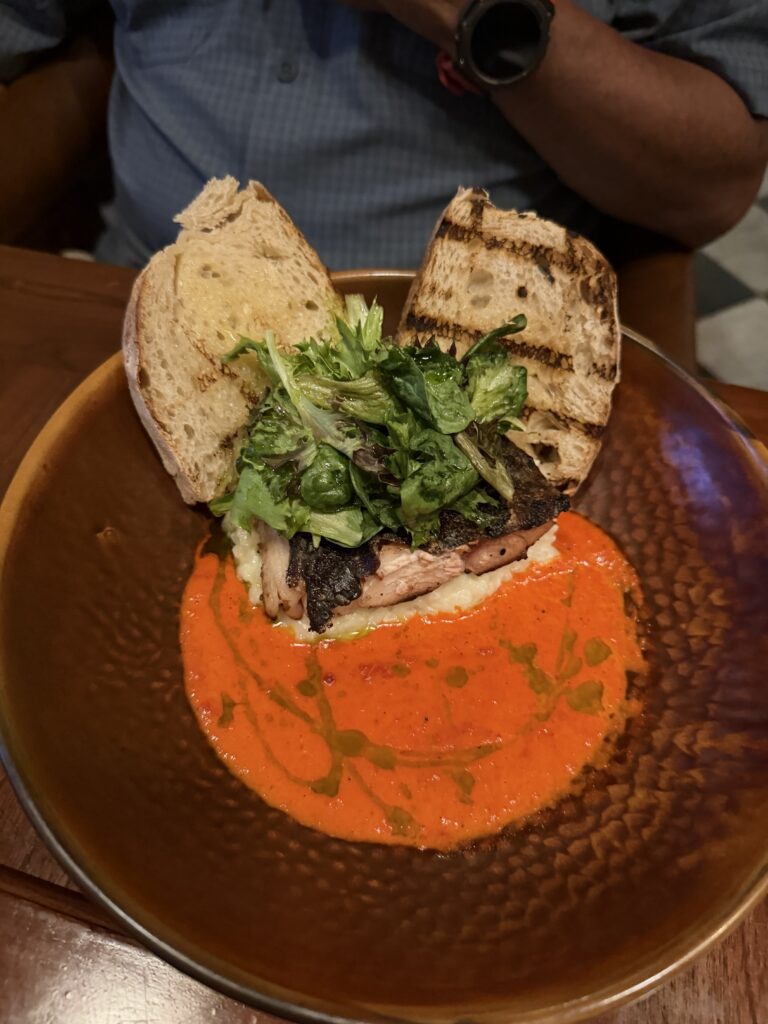
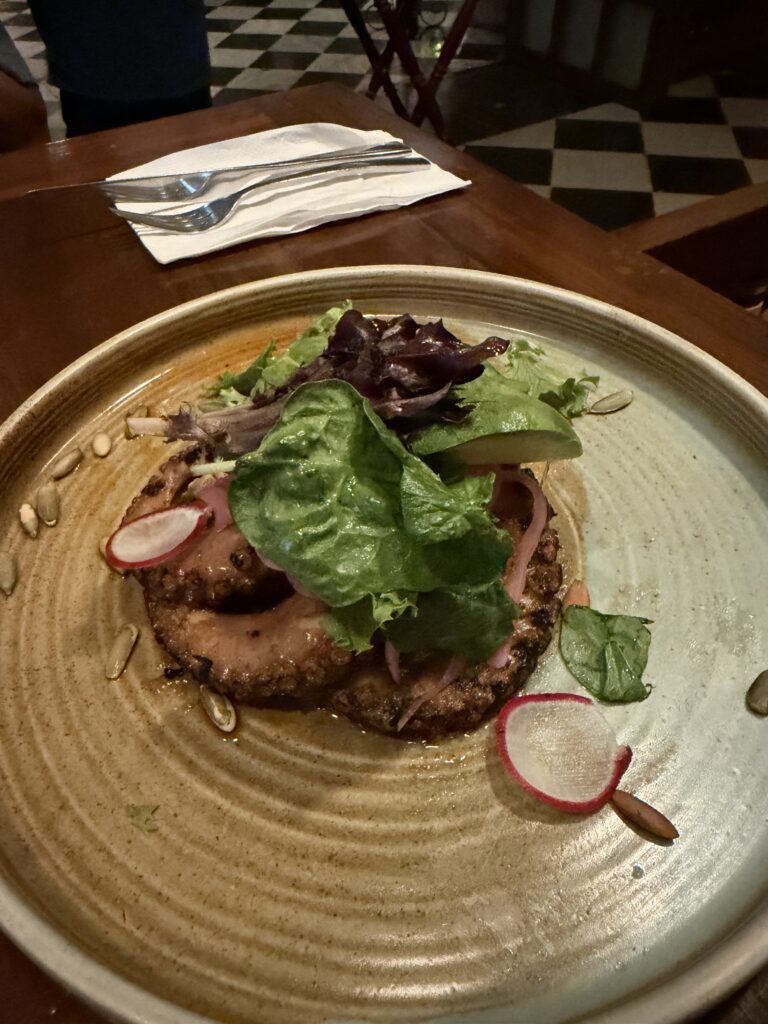
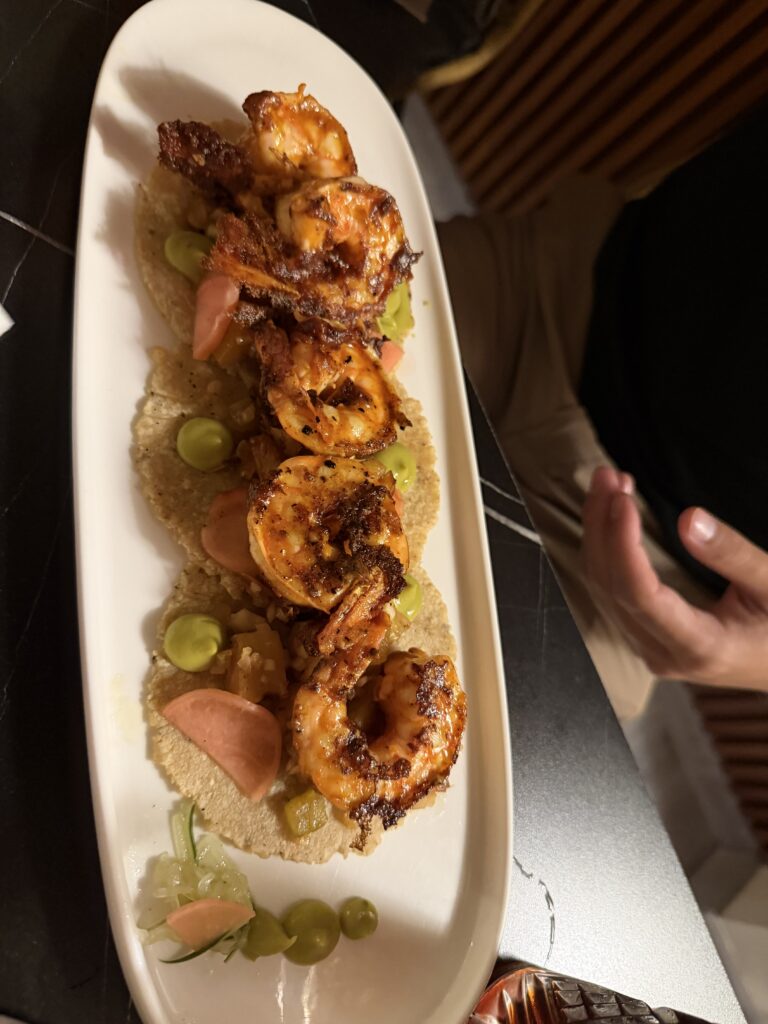
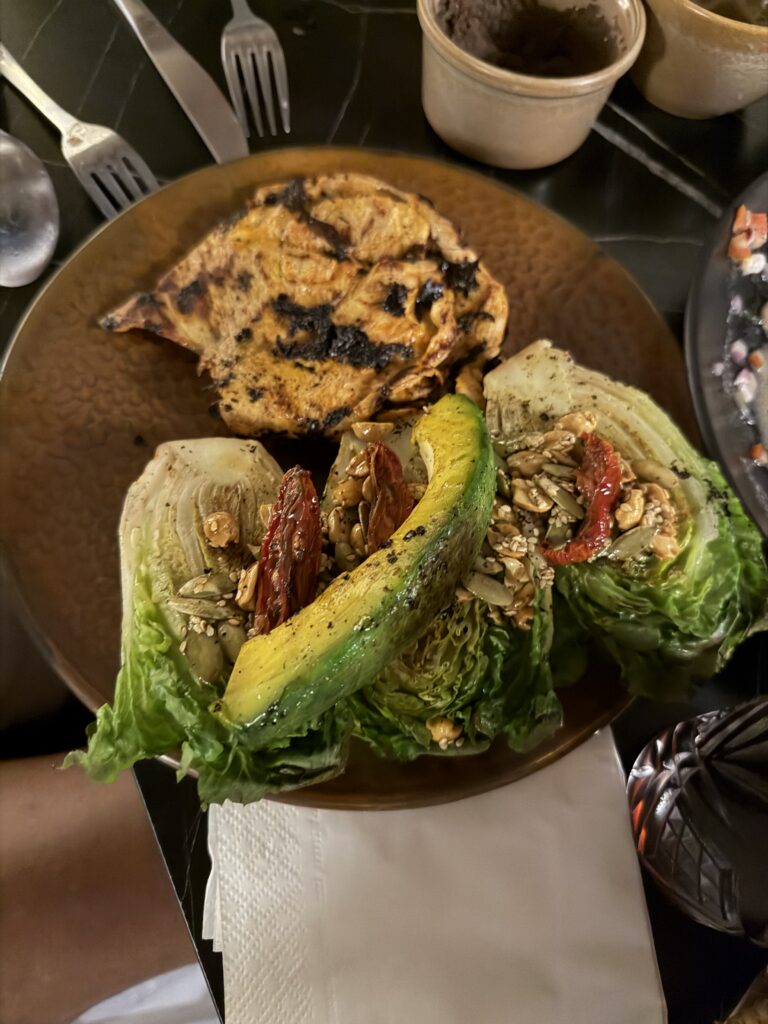
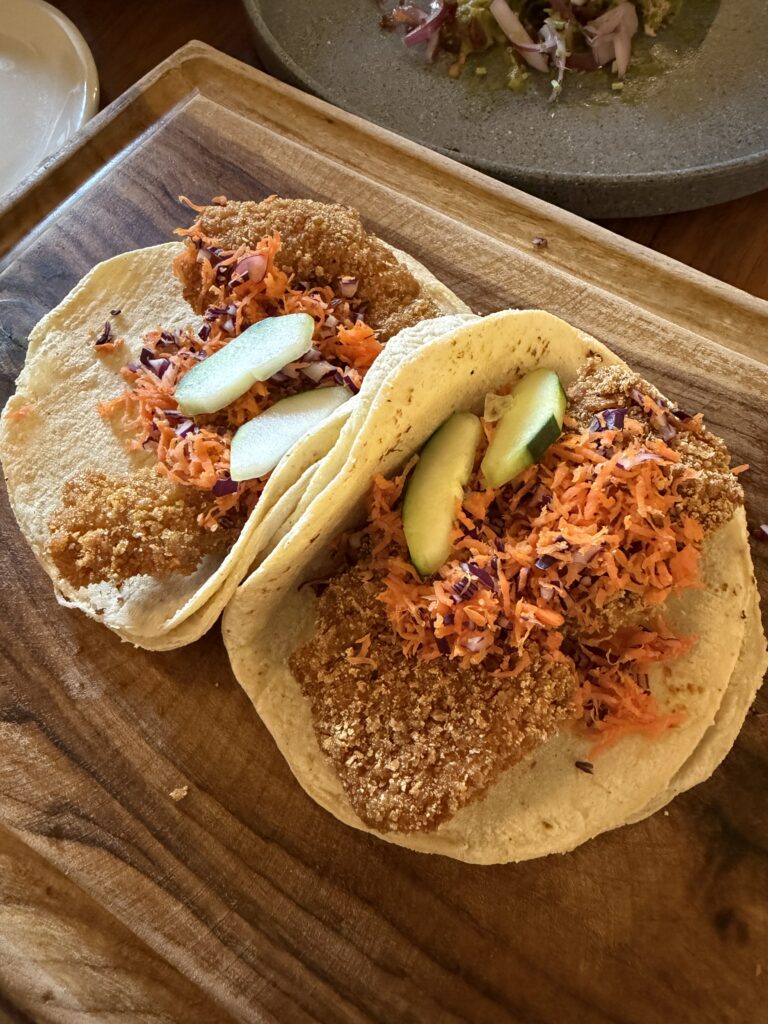
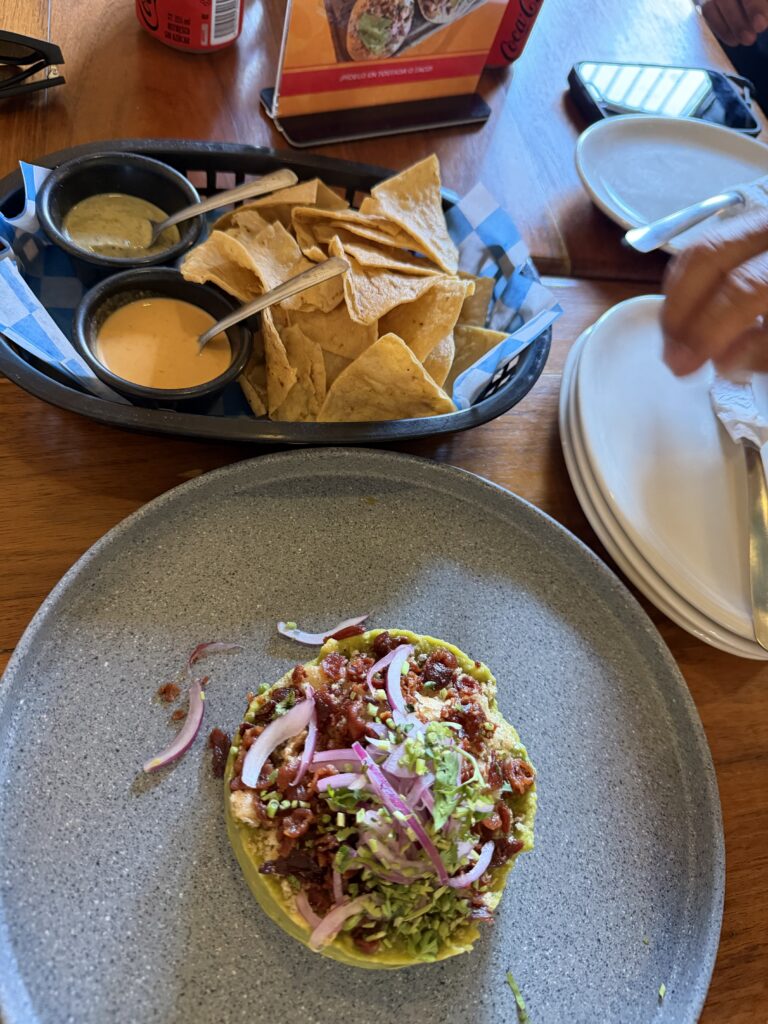
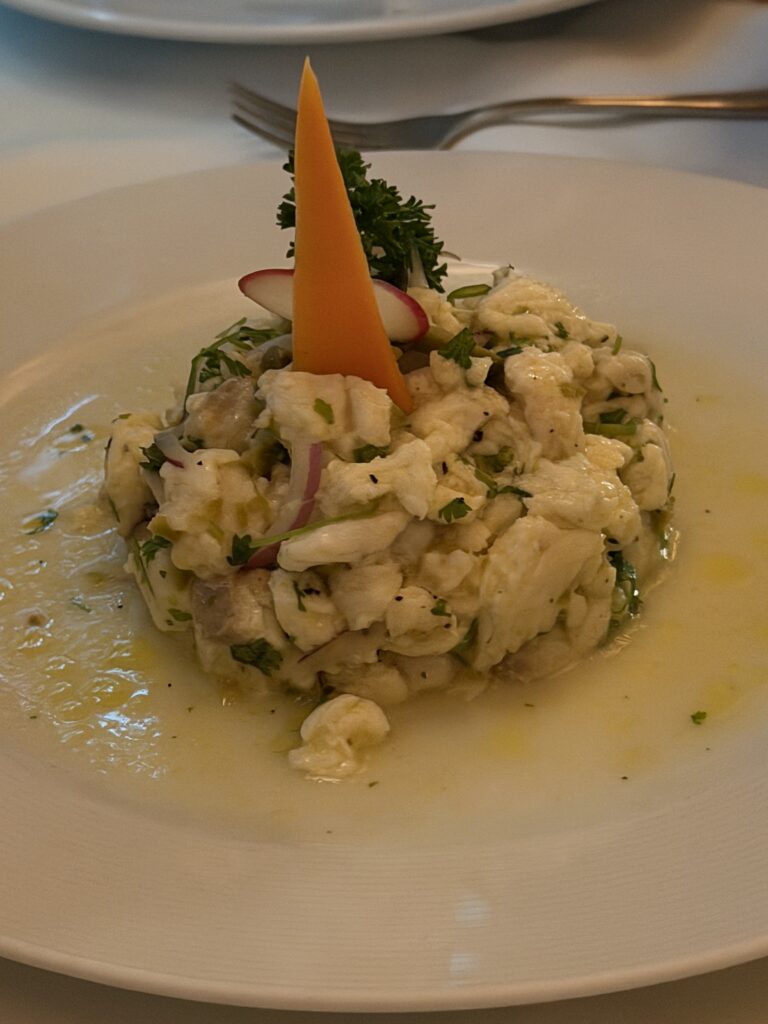
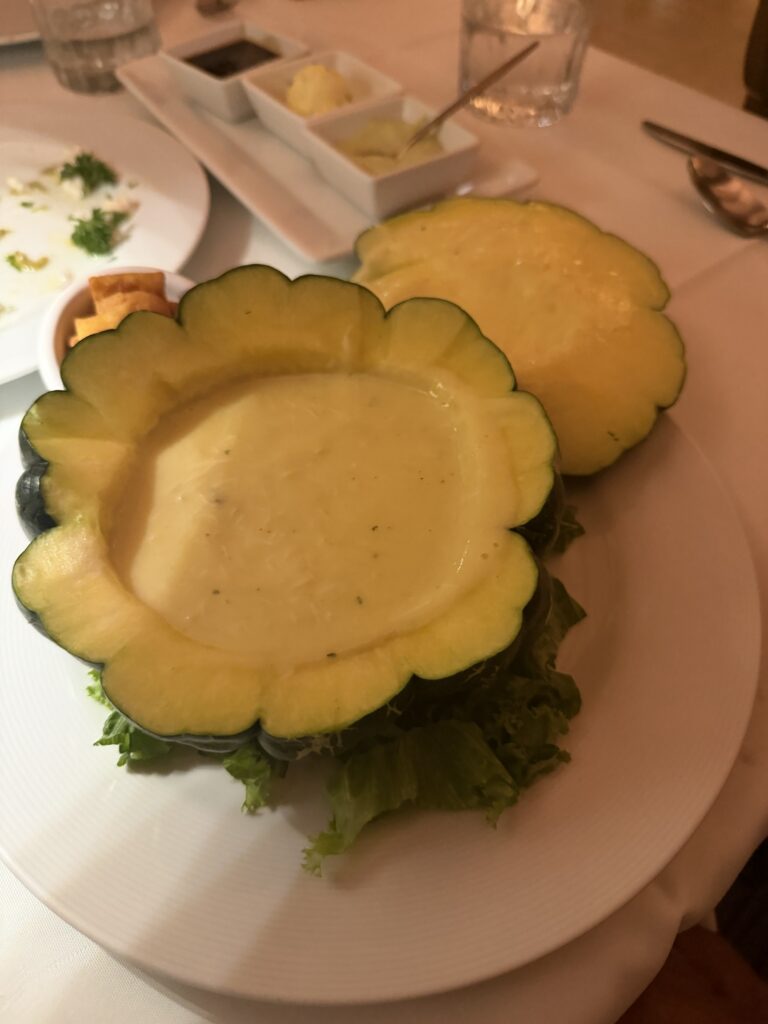
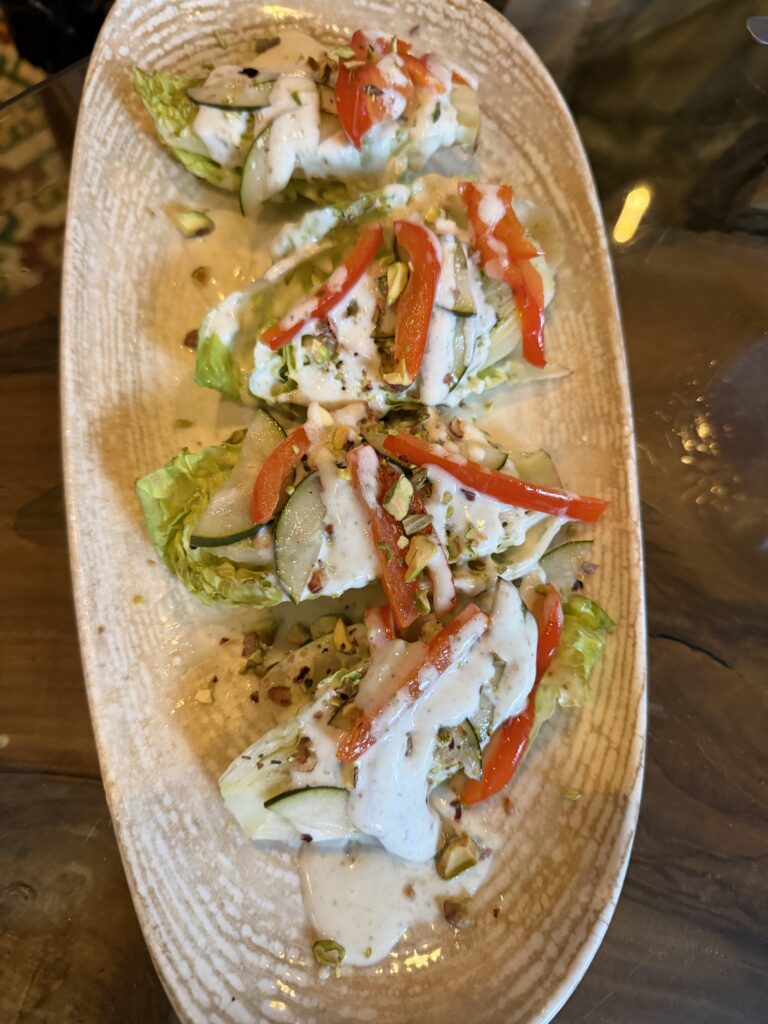
For dinner, we visited several local restaurants recommended by our host, Alex Hernandez, son of Alejandro Hernandez, founder of Campeche Tarpon. Alex may very well be the best fishing host we’ve ever encountered. Anytime something wasn’t quite right, he addressed it immediately and went above and beyond to make sure we were comfortable. We seriously need to clone him for other lodges. The dinners were very good—high-end local cuisine that left us completely satisfied every night. On our final evening, we bought churros from a street vendor that were hands-down the best we’ve ever had. Had we discovered them sooner, we probably would have eaten them every night.
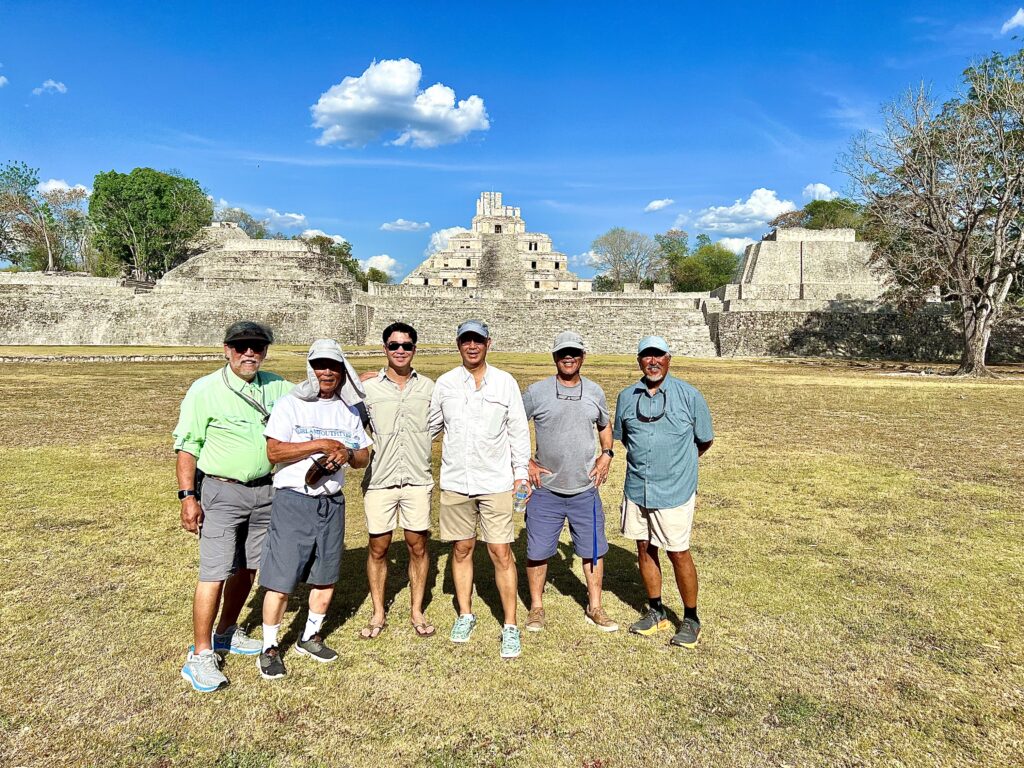
We also took an afternoon to visit nearby Mayan ruins. It was a fascinating experience, and we learned a great deal about the culture and history of the Maya civilization. Still, with temperatures in the high 90s and heat indexes reaching 104–109°F, two hours out there was about all we could handle.
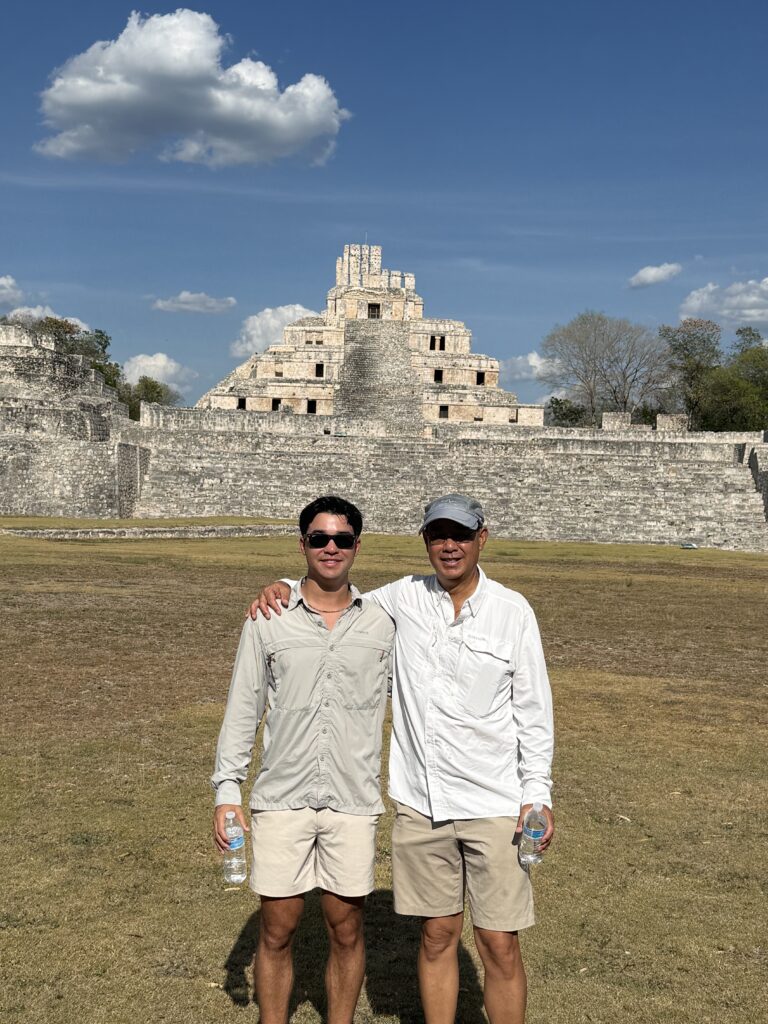
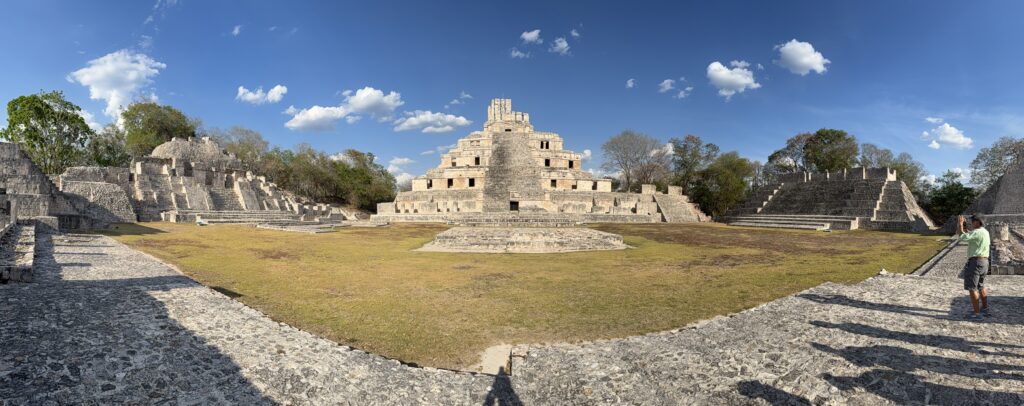
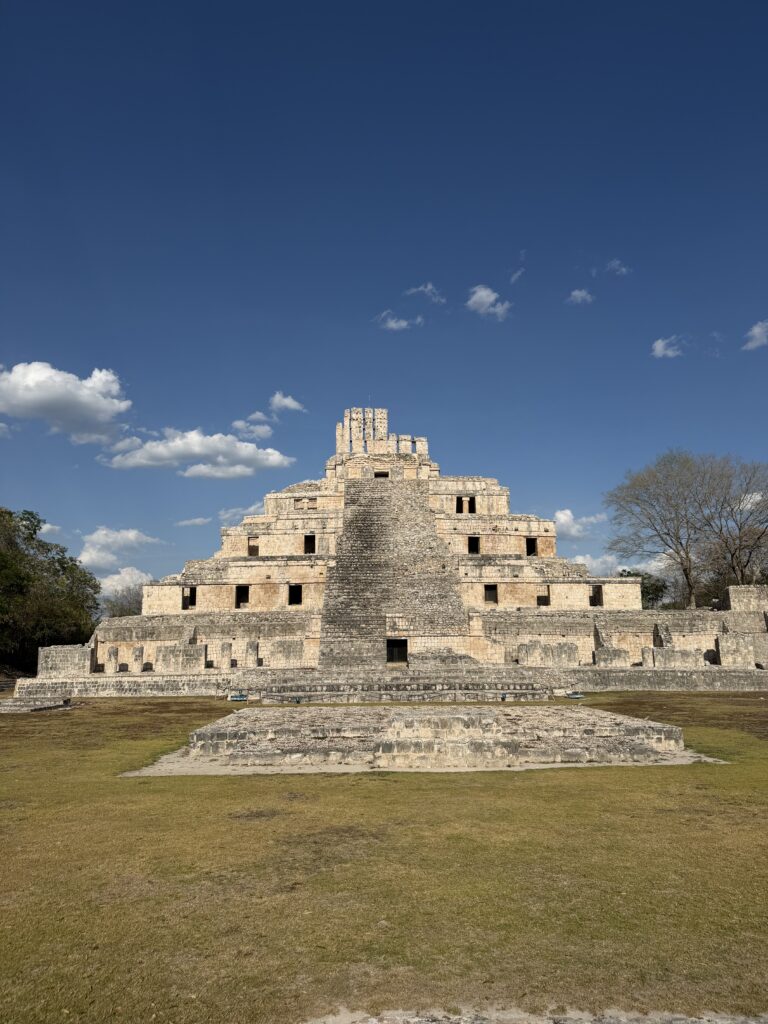
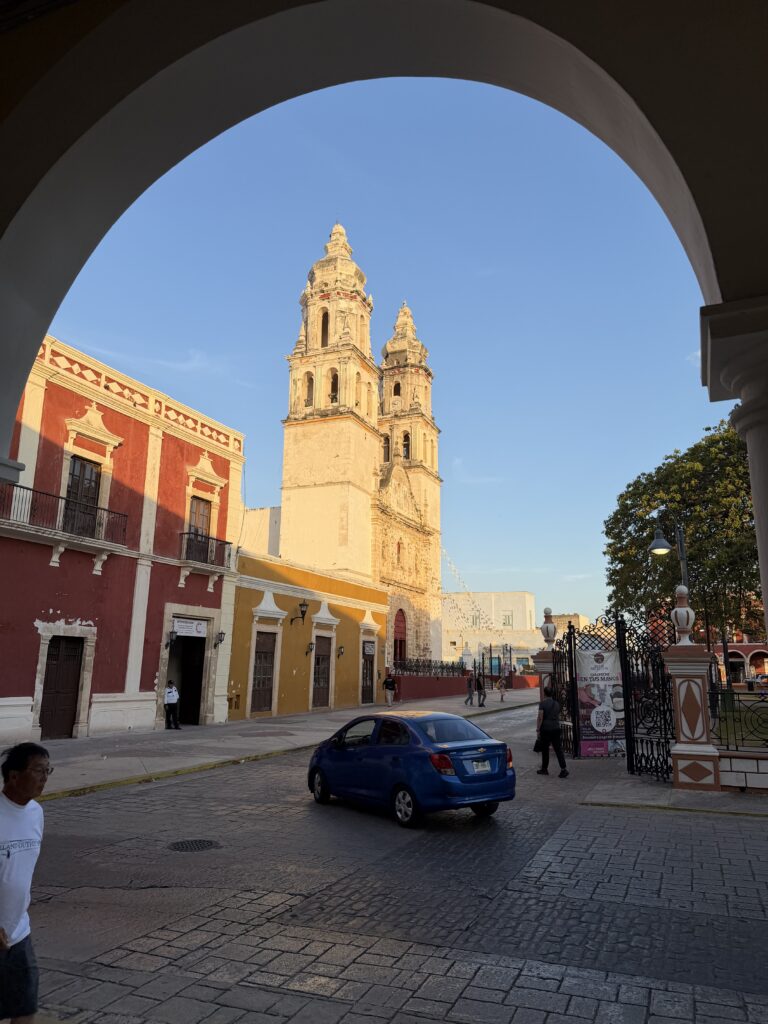
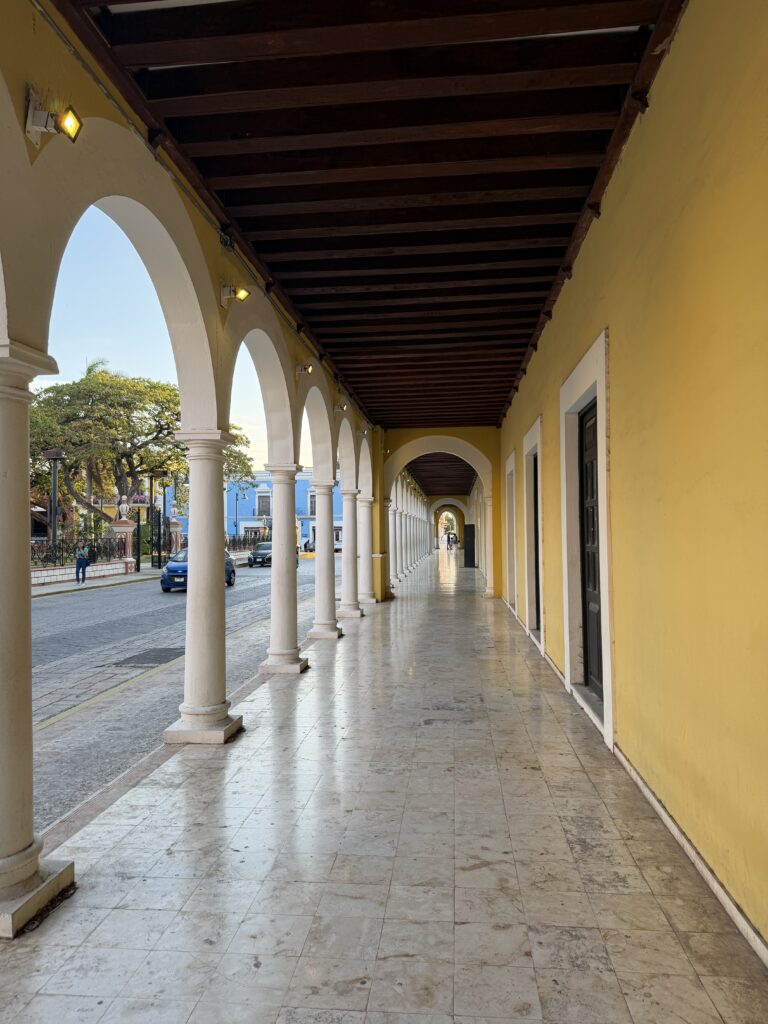
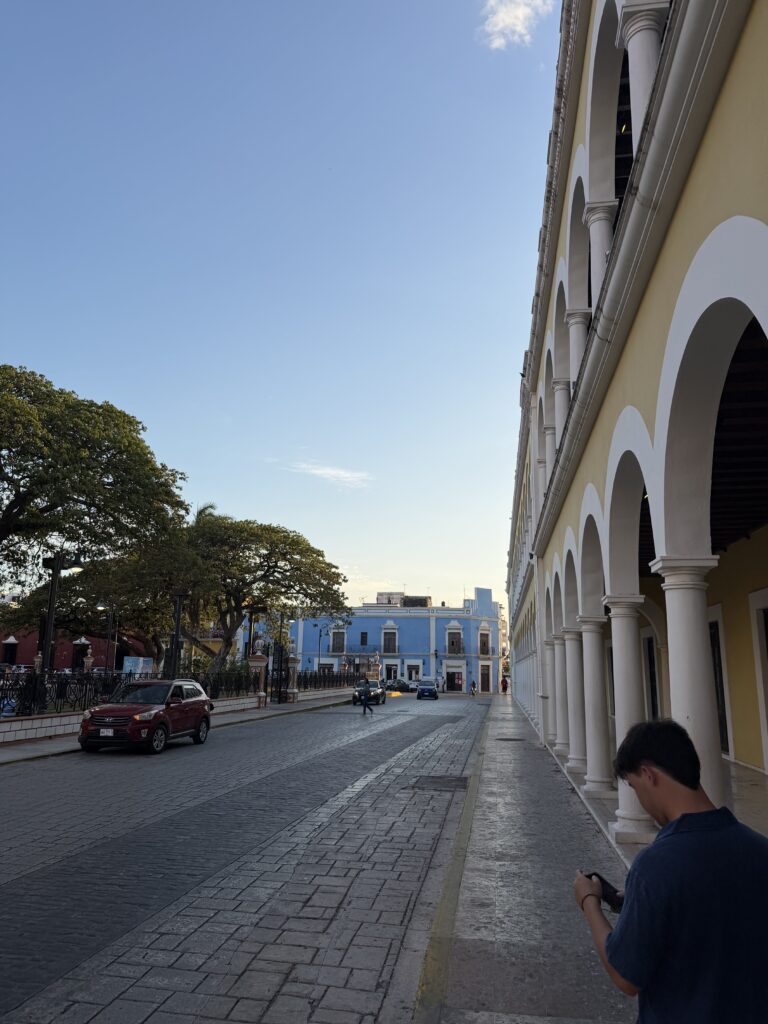
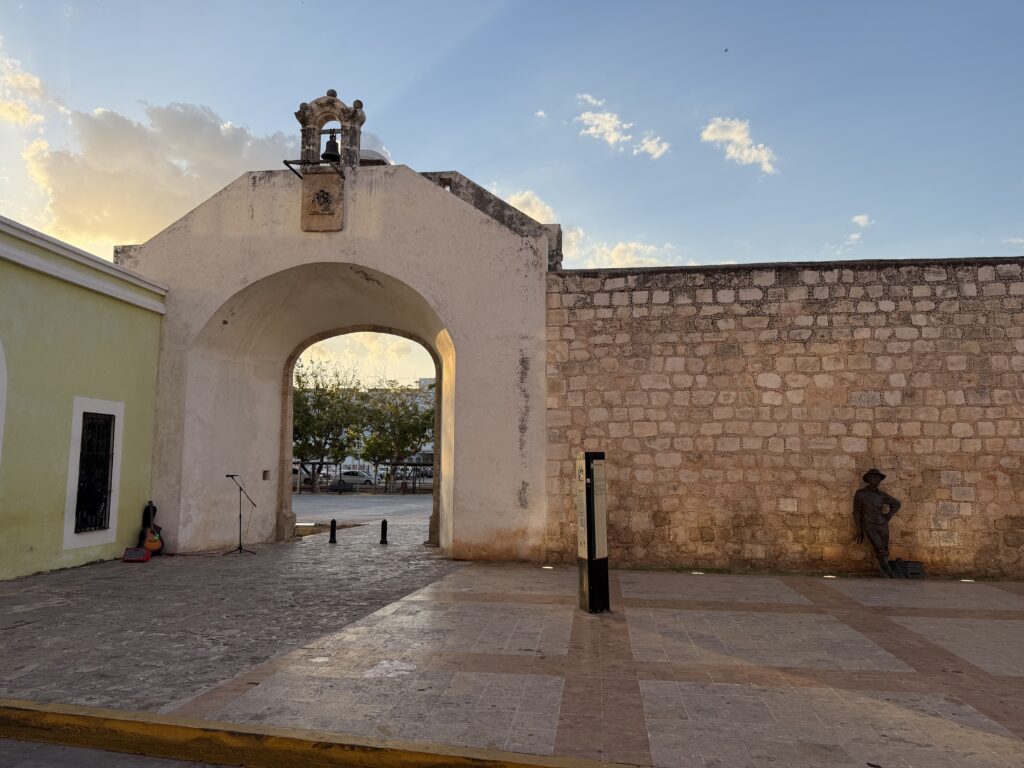
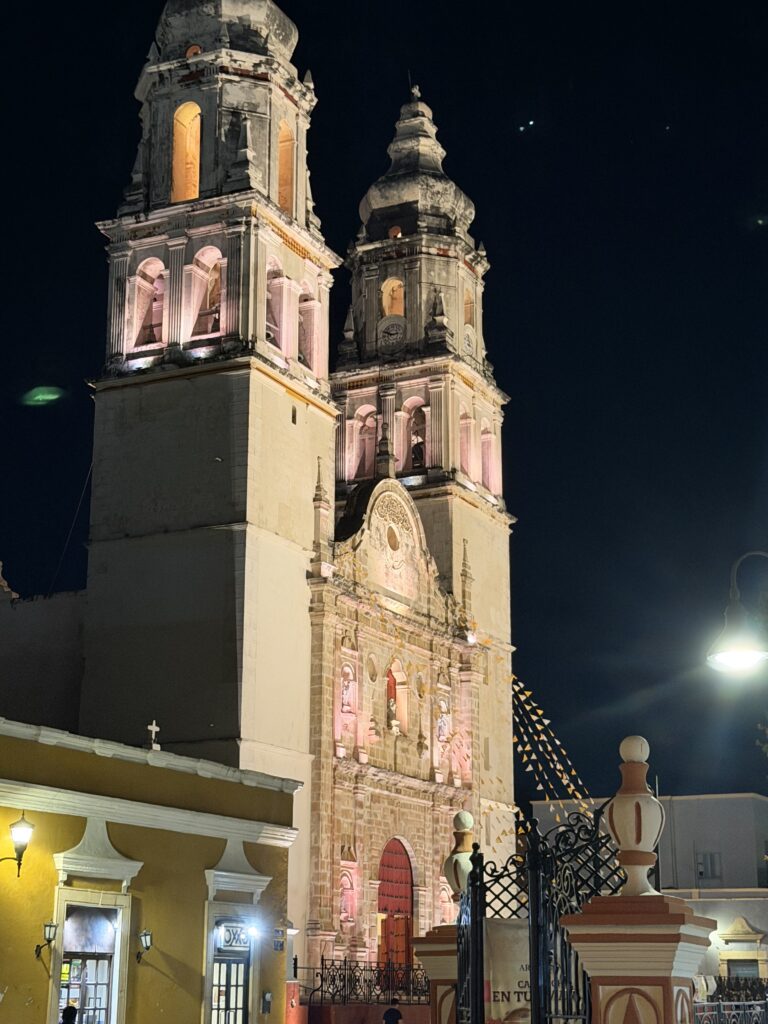
Campeche is a very charming town. We all felt very safe when walking to and from dinners. Nice folks too.
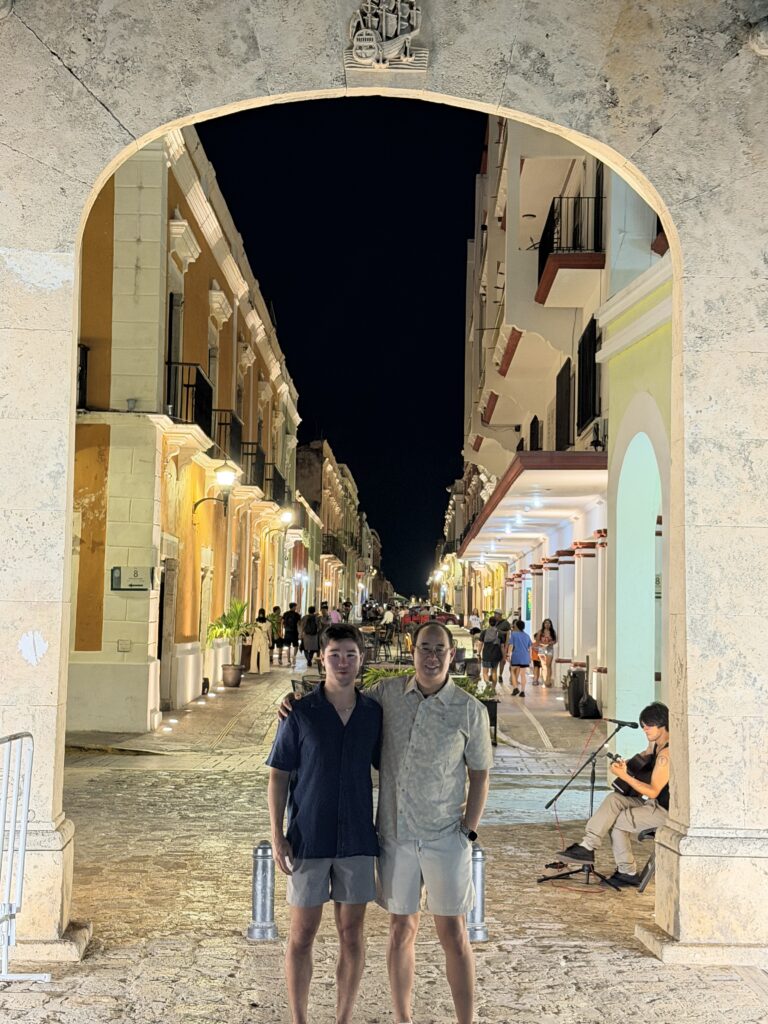
In the end, the camaraderie, conversations, and continuous laughter defined the trip far more than the fishing itself. The fishing may have been disappointing, but the company more than made up for it. I’m already researching where to take this group next, and I can’t wait for the next adventure.